Glenn Gould. A record is not a concert without an audience.
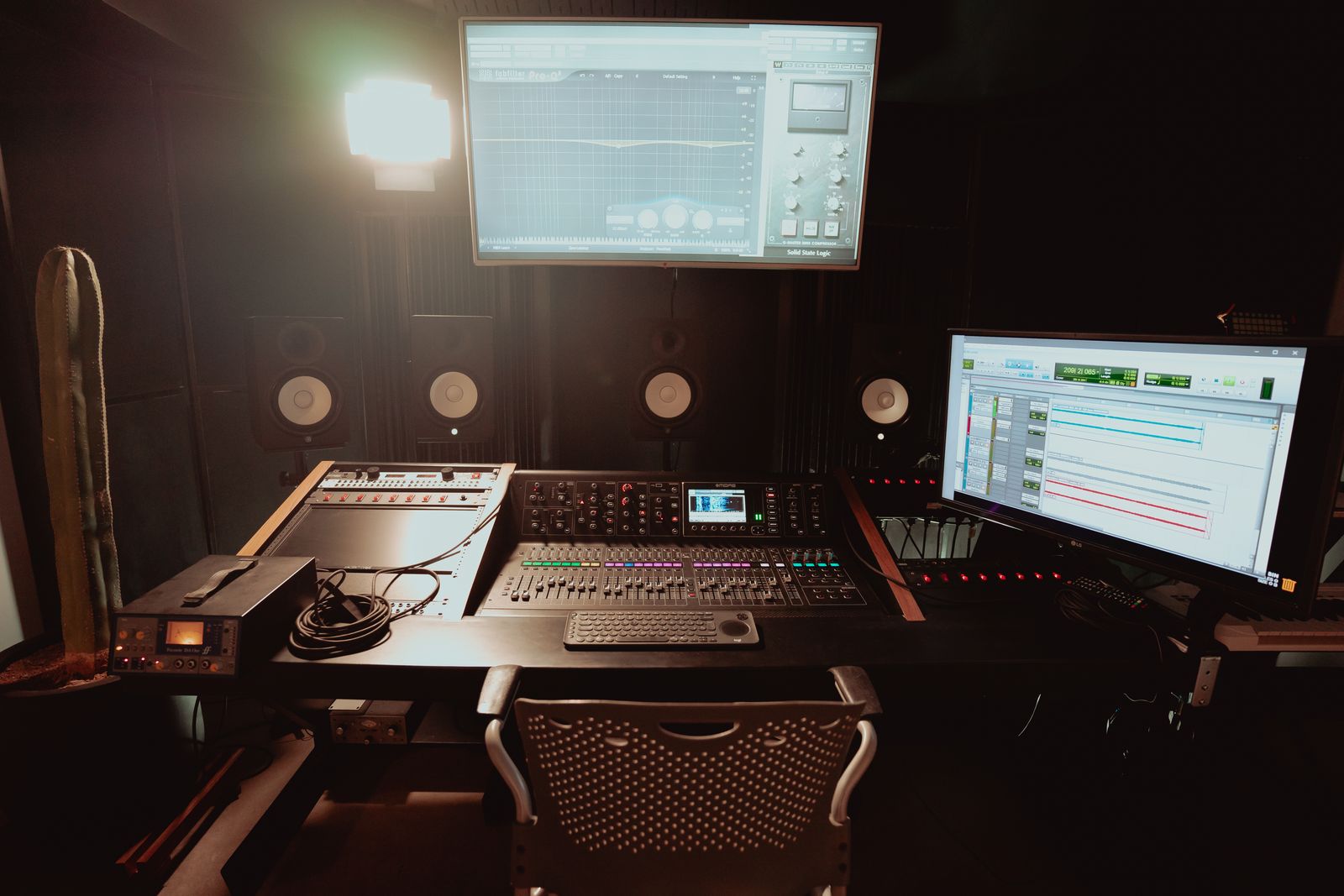
The studio as a place of thought: a question opened by recording long before digital tools became everyday practice.
Leave the hall to enter the sound.
A recording is often judged through an implicit question: how closely does it resemble a concert? Glenn Gould forces us to reverse it. His decision to leave the concert platform in 1964, documented by the foundation preserving his legacy, opens a story in which studio work, writing and broadcasting are not peripheral to interpretation. [1] They can become the place where a musical idea finds its form.
We need not share every Gould position to recognise the scale of the problem. If a record merely preserves an event, its principal task would be not to interfere. If it has possibilities of its own, we must ask how to use them, which relationships they make audible and what responsibility their construction entails. Technology ceases to be only a condition and becomes an aesthetic question.
A discussion older than digital technology.
The Prospects of Recording, published in High Fidelity in April 1966, is Gould’s extensive exploration of technology, performance and listening. [2] The official chronology also records the project’s earlier radio incarnation in 1965. [3] Recording did not enter musical reflection only when intervention became easy on a computer: the question was already explicit in the age of tape.
For listeners today, that background makes an automatic opposition between natural and constructed less useful. Choosing a microphone position already produces a viewpoint; choosing an uninterrupted take is also a choice. The problem does not disappear by denying editing, any more than it is solved by celebrating it. We must understand the musical continuity being sought and whether the result can sustain it.
The continuity we hear and the continuity of a session are not the same thing.Musicforgestudio Journal
The fragment must not become the measure of the whole.
The most interesting argument is not the possibility of eliminating a mistake. It concerns the distance between the unity of the work process and that of experience. A session advances through attempts, interruptions and returns; listeners encounter a form. The risk comes when local perfection becomes an independent goal: a successful attack, a polished phrase, then another detail, without the relationship between them retaining direction.
Recording therefore requires a double attention. We must enter the particular and know how to leave it, recovering the arc that the particular should support. This criterion is not reserved for editing: it also concerns uninterrupted performance. Material continuity may be musically inert, while a form built through several attempts may convey convincing tension. Neither case should excuse the ear from judgement.
Another intimacy, rather than a substitute.
A concert shares a span of time that cannot be repeated in exactly the same way. A record allows us to return, pause, compare and discover a detail outside the collective rhythm of the hall. These are different experiences, and the difference can be a richness. Asking recording to justify itself only as reproduction of live performance means relinquishing some of its possibilities before we begin.
Gould remains relevant because he makes a simple answer uncomfortable. He does not give technology the right to decide for the musician; he insists that we take seriously the decisions technology makes possible. A record is not a concert missing something. It can be another way of thinking about presence: less dependent on bodies coinciding, more exposed to the patient test of returning.
05 / References
and sources
Foundation account of the retirement from concerts and work in the studio, radio and writing.
Chronology of the 1965 radio project and subsequent publication in High Fidelity.
Sources checked on 3 November 2026.
Primary source for Gould’s thought on recording. The MFS essay discusses implications without reproducing or fully translating Gould’s article.
Listening and working suggestions are editorial interpretations; documented facts link to the numbered references.
06 / Author
Musicforgestudio’s editorial voice explores artists, musical culture and sound research.