The score does not end on the page.
What a critical edition offers, what Urtext means and why reading editorial notes changes an interpreter’s questions.
Know what you are reading before you play.
Two scores of the same piece may contain different markings. Before treating a difference as interpretative freedom, it helps to ask where it comes from: a manuscript, a print, a revision or an editor’s proposal. This distinction does not make the work less musical. It helps identify the document on which a decision rests, rather than attributing everything on the music stand to the composer.
In its explanation of Urtext, Henle describes the comparison and criticism of sources, with problematic decisions discussed in the accompanying materials. [1] The page has not appeared without mediation. The text offered to the performer is the result of editorial work, and its reliability also depends on our ability to understand that process.
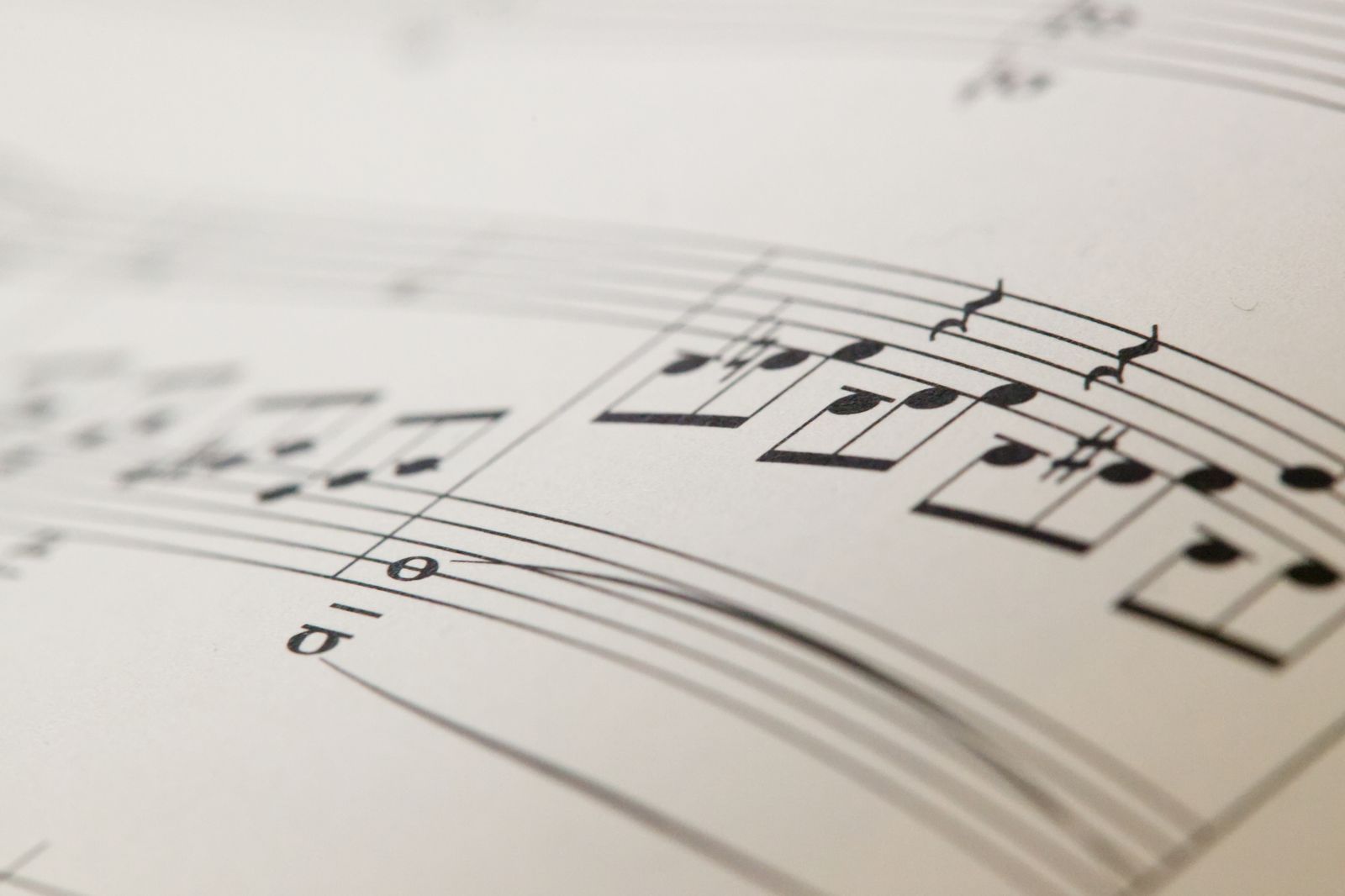
A reliable edition makes its choices legible.
The University of Minnesota Libraries guide places Urtext editions within scholarly work on sources and encourages readers to consult introductions and editorial notes. It also identifies an important limit: notation, performance practice and new discoveries can complicate the idea of a definitively resolved text. [2] A label on the cover does not remove the need to read the material supporting it.
For a musician, this suggests a concrete practice: note the edition and editor before discussing a variant. Then establish whether the disputed marking belongs to a source, a reconstruction or a declared addition. Not every study requires extensive philological investigation, but naming the document precisely prevents a convention from becoming an inadvertently inaccurate attribution.
Knowing a source does not close interpretation: it makes it accountable.Musicforgestudio Journal
The text prepares a decision; it does not replace it.
Once the document is clear, performance questions remain. A phrase must take time, an attack must carry weight and a relationship between voices must become perceptible. Comparing sources does not cancel the interpreter’s gesture; it gives that gesture more conscious ground. Knowing why we choose is different from insisting that our choice is the only possible one.
A short passage can be explored by recording two solutions and writing down which element of the text each is intended to reveal. This exercise does not certify historical authenticity or assign undocumented intentions to a composer. It helps distinguish respect for a document from repetition of a habit, leaving room to test musically what is being proposed.
Careful citation belongs to musical storytelling.
Writers on music should also identify the edition when discussing a detail of a score. The work’s title alone may not explain which text is being considered. In a review or programme note, a precise reference allows readers to return to the passage and understand the reasoning. It is a service of transparency, rather than an academic ornament.
Authority grows from a sense of proportion: let the document establish what it documents, and identify a personal reading as a personal reading. Sources do not make a discussion impersonal; they make its supporting points checkable. The musical page continues to live in sound, but how we read it can already reveal the care with which we intend to let it be heard.
05 / References
and sources
The publisher’s account of comparing witnesses, source criticism and the explanation of editorial decisions.
Sources checked on 3 November 2026.
University guide to scholarly editions, their supporting materials and their limits. Updated 13 April 2026.
Listening and working suggestions are editorial interpretations; documented facts link to the numbered references.
06 / Author
Musicforgestudio’s editorial voice explores artists, musical culture and sound research.